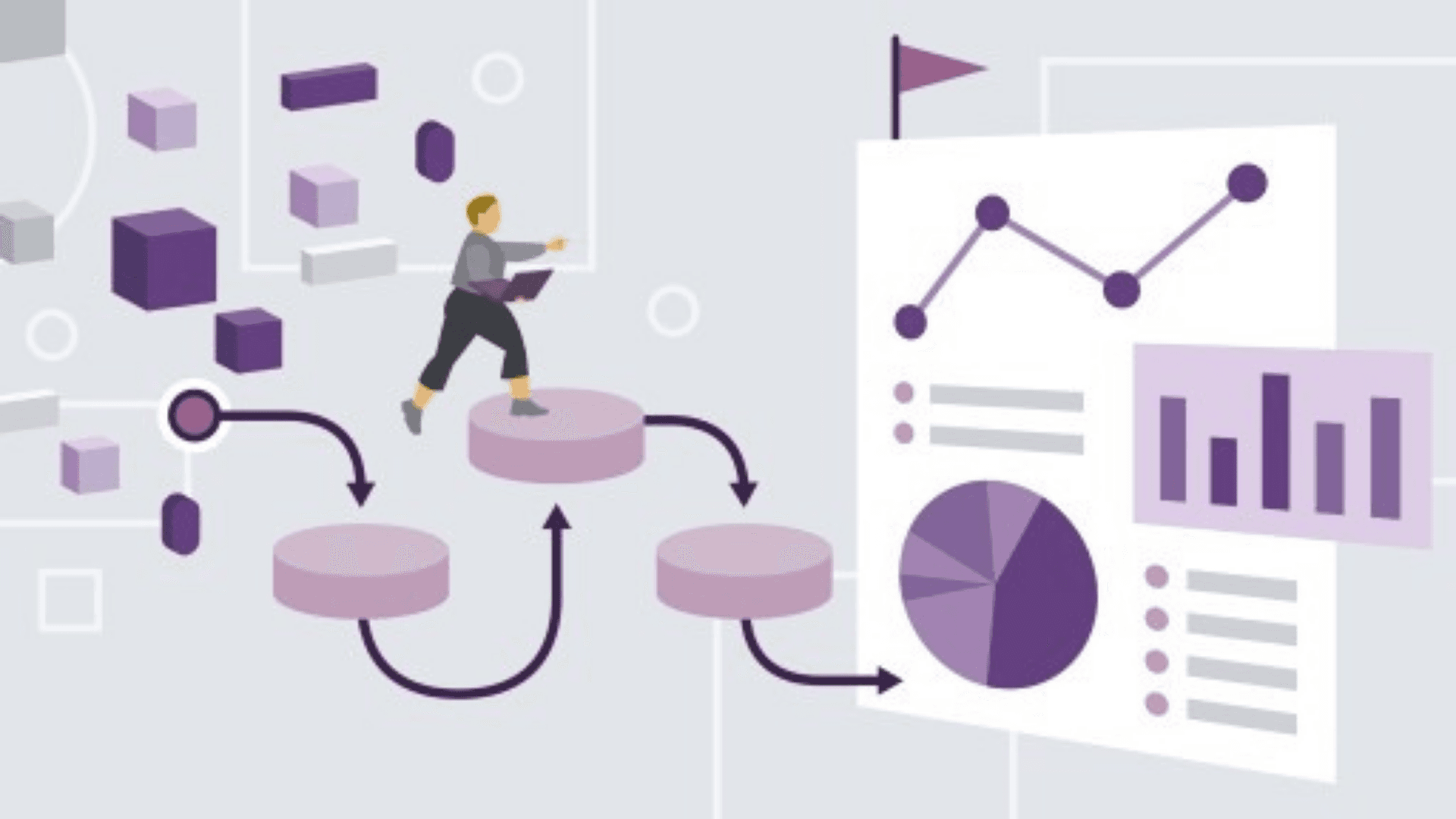
This project implements a fully functional ELT (Extract, Load, Transform) pipeline using modern data-stack tooling, processing data for a fictional e-commerce company. It is a learning project rather than a production system — its value is in covering the whole path from ingestion through modelling to orchestration, rather than a single stage of it.It sits alongside the database and integration work I do day to day: the same concerns — schema design, dependency management, reproducible environments, and knowing what a transformation actually did — turn up in application data work as much as in dedicated pipelines.
Technical approach
Data ingestion: Airbyte extracts data from multiple sources and loads it into PostgreSQL.
Data transformation: dbt handles modular, SQL-based transformations.
Orchestration: Dagster manages and schedules pipeline execution.
Containerised environment: the pipeline is fully containerised with Docker for reproducibility and ease of deployment.
Version control and documentation: Git for code management, with documentation covering the workflow.
Technologies used
Programming & scripting: Python
Data ingestion: Airbyte
Data transformation: dbt
Pipeline orchestration: Dagster
Database: PostgreSQL
Deployment: Docker
Development tools: Git, Visual Studio Code
Challenges
Pipeline orchestration: managing dependencies and execution flow through Dagster, where the order things run in is the design rather than an afterthought.
Scalability considerations: keeping the architecture modular so additional data sources can be added without reworking what exists.
Outcome
The project consolidated my understanding of ELT architecture and modern data-engineering workflows — modelling data, expressing transformations as version-controlled SQL, and running the whole thing as a reproducible, orchestrated system rather than a set of scripts.